
Fence Gate Installation
A gate is where a fence gets used the most, and where a bad installation shows up fastest — sagging, sticking, hardware that wears out early. AMR builds custom gates across Morris, Hunterdon, Somerset, and Warren County, fabricated in its own shop rather than assembled from off-the-shelf kits. Whether you need a single walk gate for the backyard, a double drive gate at the end of the driveway, or a wide vehicle gate for a commercial lot, each one is built to the opening it’s going into.
What AMR Builds
AMR fabricates wood sections and vinyl gates in its Washington, NJ shop, which means gate work doesn’t get held up waiting on a manufacturer shipment. Gates can be built to match any fence style AMR installs — wood, vinyl, aluminum, or ornamental iron — and sized to fit walk-in access, vehicle access, or wider commercial openings.
Gate Types
- Single walk gates — the everyday gate for side yards, backyards, and garden access.
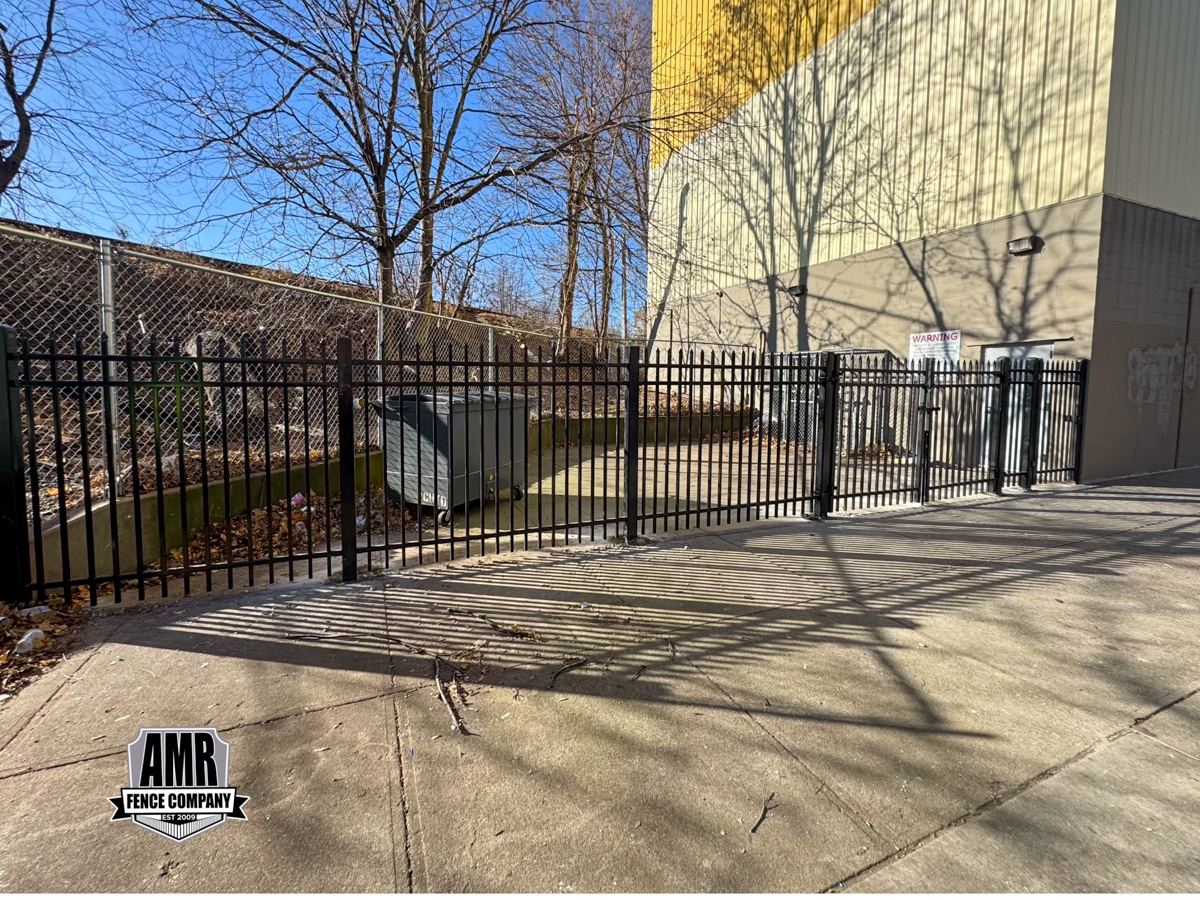
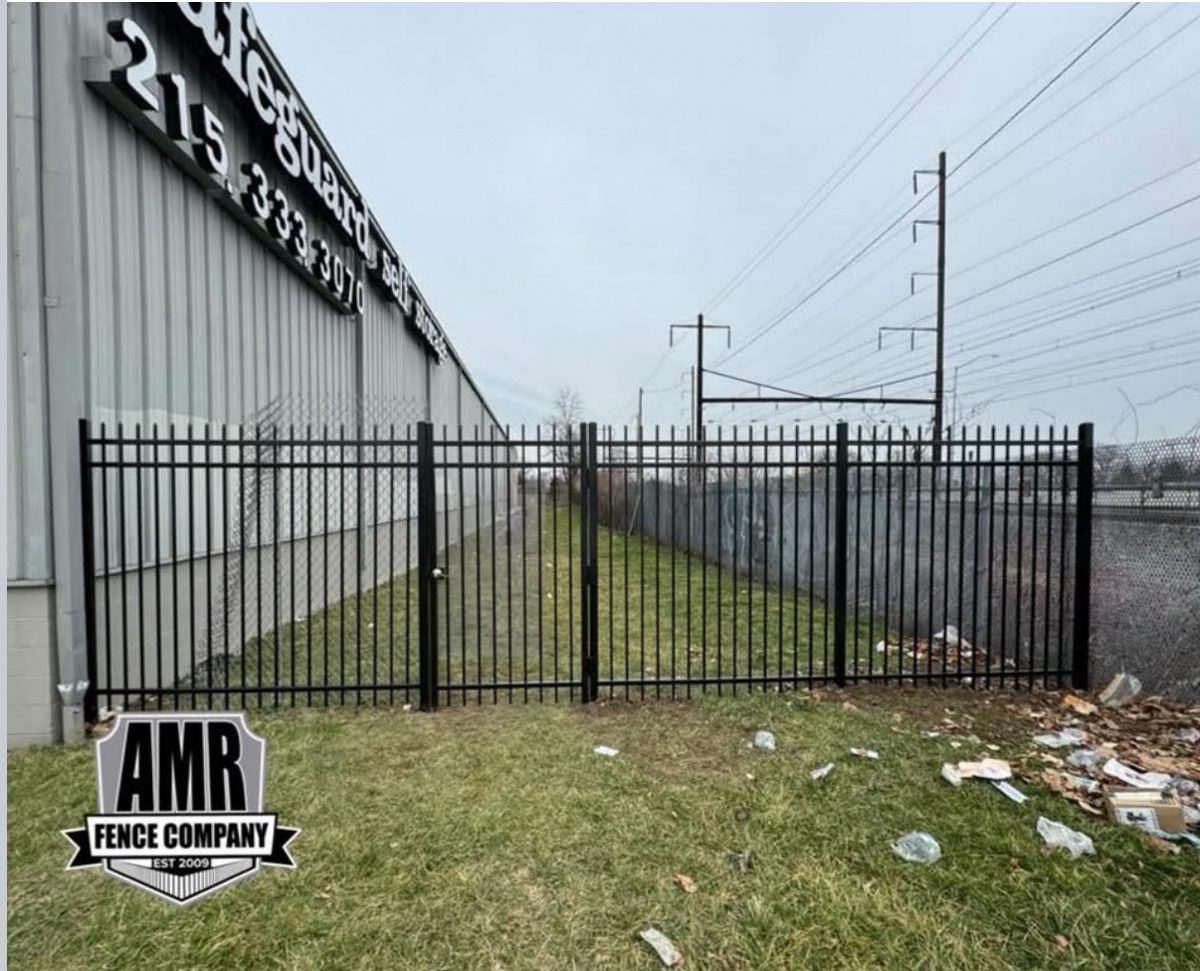
- Double drive gates — two leaves that open together for driveway and vehicle access, while one side can still be used as a walk gate.
- Pool gates — built with self-closing, self-latching hardware to meet pool enclosure requirements.
- Ranch and farm gates — wider, sturdier gates for pastures, paddocks, and equipment access on rural properties.
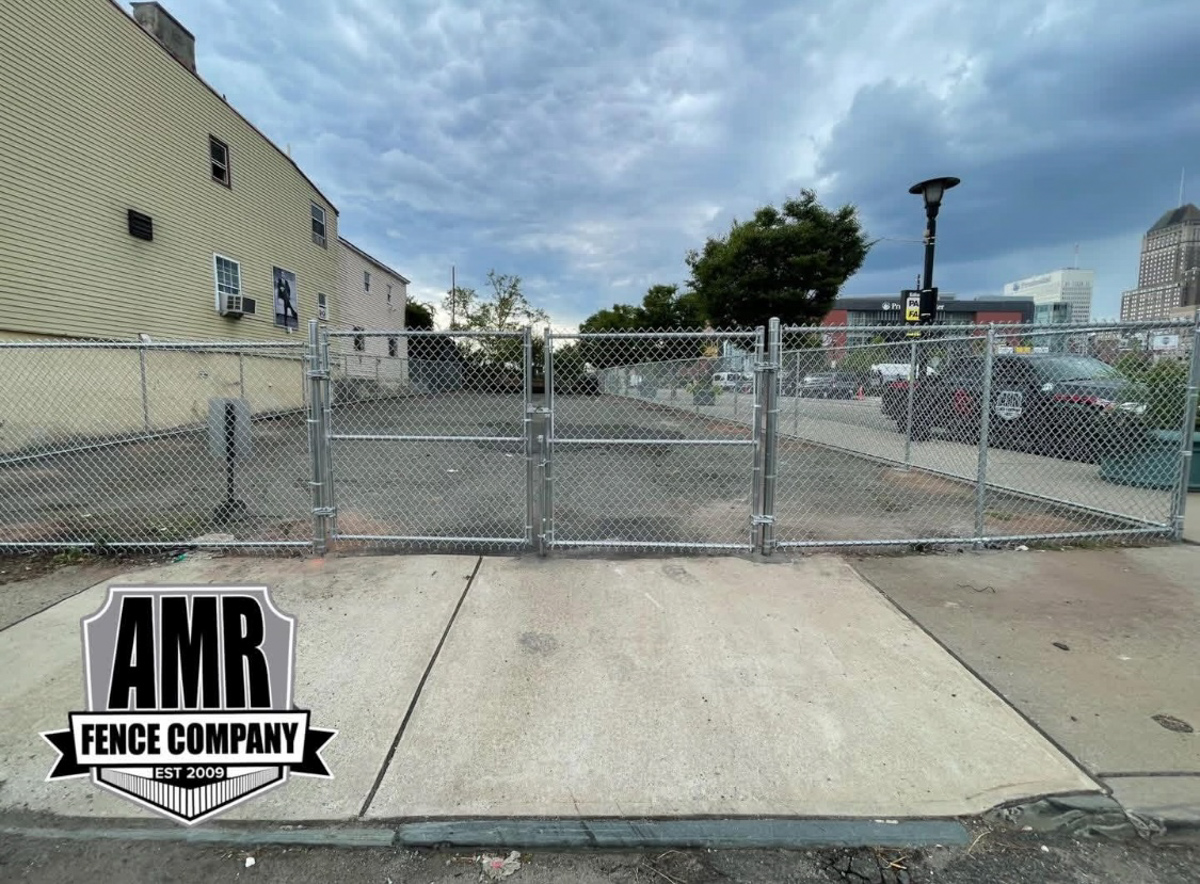
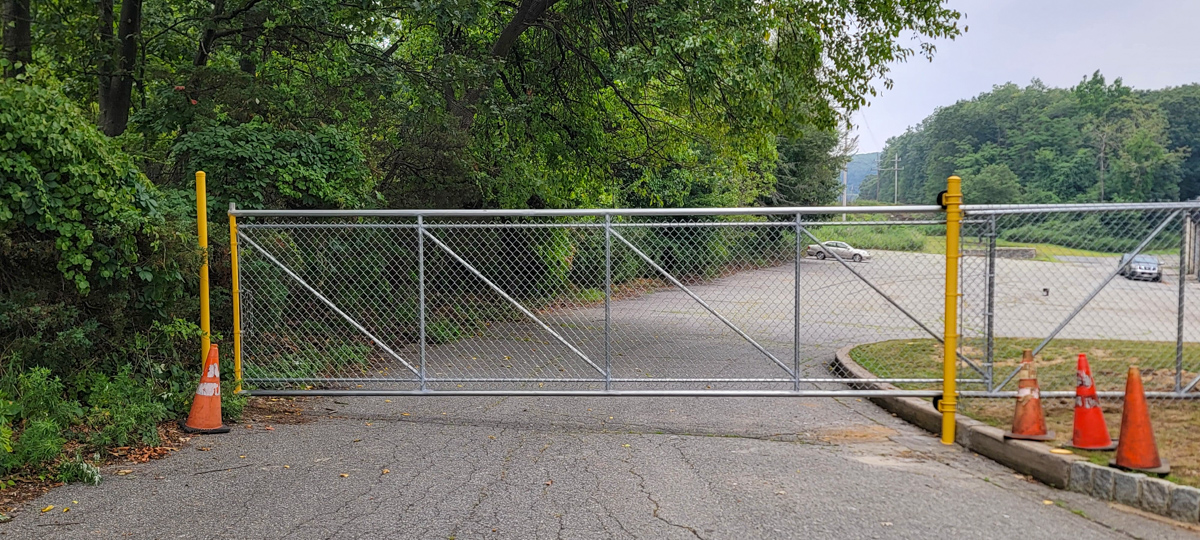
- Commercial vehicle gates — heavy-duty frames and hardware for business entrances and industrial sites that see traffic all day.



Why It Matters
A gate takes more daily wear than any other part of a fence — opening, closing, weather exposure at the hinge points. Proper hardware and correct sizing at installation is what keeps a gate working smoothly years later instead of sagging within a season. A gate that drags, sticks, or won’t latch also tends to get left open, which defeats the purpose of the fence around it.
What Makes a Gate Sag
Most gate failures come down to a few causes. The gate post isn’t set deep or solid enough to carry the weight hanging off it. The gate frame isn’t braced correctly, so it slowly pulls out of square. Or the hinges are rated for a lighter gate than the one they’re holding. Each of those can be avoided at installation, and each is much harder to fix once the gate has already started dropping. AMR sets gate posts to carry the load, braces every frame, and matches hinges to the actual weight and width of the gate.
Matching Your Gate to Your Fence
A gate should look like it belongs to the fence, not like an add-on. AMR builds gates to match the fence styles it installs:
- Wood and cedar gates — built to match privacy, picket, or board styles, with framing designed to resist warping and sag.
- Aluminum gates — lightweight, low-maintenance, and matched to the fence’s picket style and color.
- Ornamental iron gates — a formal, finished entry point for front yards and estate driveways.
- Vinyl gates — reinforced frames and matching panels for vinyl privacy and picket fences.
- Chain link gates — practical, durable gates for containment, commercial sites, and utility areas.
If you’re adding a gate to an existing fence, AMR will match the material, height, and style as closely as possible so the new gate blends in.
Gate Hardware That Holds Up
Hardware is where a lot of off-the-shelf gates cut corners. The pieces AMR pays the most attention to:
- Hinges — sized to the gate’s weight and width, with heavier-duty hinges for wide or high-use gates.
- Latches — positioned and aligned so the gate closes and catches cleanly every time.
- Drop rods — hold double gates in place when closed and keep the inactive leaf from swinging in the wind.
- Self-closing hardware — required on pool gates and useful anywhere a gate needs to shut behind people automatically.
- Locks — keyed or padlock-ready options for gates that need to stay secured.
Getting the hardware right at installation is what keeps a gate from needing adjustment every few months.
Sizing the Opening
The right gate width depends on what needs to fit through it. A walk gate only needs room for people, but many homeowners want enough width for a wheelbarrow or push mower. Side-yard gates often need to clear a riding mower or small trailer. Driveway gates have to fit vehicles comfortably, with room to spare for the turn in. Commercial gates need to handle delivery trucks and equipment. Your estimator will talk through what actually needs to pass through the gate before the size is locked in, so you’re not stuck with an opening that’s a few inches too narrow.
Gates on Sloped Ground
Slopes are one of the trickiest parts of gate installation, and they’re common across this part of New Jersey. A gate that swings uphill can hit the ground partway open, while one set too high leaves a gap that pets can slip under. AMR plans for grade before fabrication, adjusting the swing direction, the gate’s bottom line, or the hinge setup so the gate clears the ground through its full swing without leaving an oversized gap when it’s closed.
How a Custom Gate Gets Built
Because gates are fabricated in AMR’s own shop rather than pulled from a standard kit, the process starts with confirming the actual opening — width, what it’s paired with, walk-in or vehicle access. That measurement goes straight to fabrication instead of an order placed with a supplier, which is part of why gate work doesn’t get held up waiting on a shipment the way it does with some competitors.
Our Process
- On-site measurement. An AMR estimator confirms the opening, grade, swing direction, and what the gate needs to match.
- Design and quote. Gate style, size, and hardware are specified, and you get a clear written quote.
- Shop fabrication. The gate is built in AMR’s own shop to the exact dimensions of your opening.
- Installation. The in-house crew sets or reinforces the gate posts, hangs the gate, and installs the hardware.
- Final check. The gate is tested for swing, latch, and alignment before the job is signed off.
Replacing an Existing Gate
Sometimes the fence is fine and the gate is the only thing that’s failed. AMR can replace a worn, sagging, or broken gate without redoing the whole fence line. If the existing gate post is part of the problem, it gets reset or replaced at the same time, since hanging a new gate on a failing post just starts the cycle over again. For gates that are only lightly worn, a hardware replacement or adjustment through our fence repair service may be enough.
What Affects the Cost of a Gate
Every gate is priced to the opening. The biggest factors include:
- Gate width and height
- Single vs. double gate
- Material and style
- Hardware, including self-closing and locking options
- Condition of the existing gate posts
- Grade and site conditions at the opening
Your estimator will walk through the options on-site, so you can weigh style and hardware choices against the budget before anything goes to the shop.
Keeping Your Gate in Good Shape
A well-built gate needs very little upkeep. Check that the latch still catches cleanly a couple of times a year, tighten any hardware that’s worked loose, and keep the area under the gate clear of soil, mulch, and snow buildup that can cause it to drag. On wood gates, keep an eye on the bottom rail and posts, where moisture tends to collect. Small adjustments made early keep a gate working smoothly for years.
Why AMR Fence for Gate Installation
Because gates are fabricated in-house, AMR can build custom sizes and configurations that off-the-shelf gate kits don’t cover. Looking for automated access instead? See our driveway gate automation page. AMR’s crew is trained in-house, and the same team fabricating your gate is the one installing it. The company is licensed, bonded, and insured in New Jersey (NJHIC #13VH10878100).
FAQs
Yes — because gates are fabricated in-house rather than pulled from a standard kit, AMR can build to the exact opening you need.
Yes, including wider vehicle-access gates for commercial and industrial sites.
Standalone gate installations are typically quicker than a full fence project — ask your estimator for a timeline specific to your job.
Yes. AMR can cut a new gate opening into an existing fence line, set new gate posts, and build a gate to match the fence as closely as possible.
In many cases, yes. If automation is a possibility down the road, mention it during your estimate so the gate and posts can be built to handle an operator.
Yes. Pool gates generally need self-closing and self-latching hardware. See our pool fence installation page for more on pool enclosure requirements.