Commercial Security Fencing
AMR approaches security fencing as more than putting up a barrier. Every job starts with access, visibility, and how the property actually gets used day to day. For warehouses, storage yards, industrial sites, and commercial lots across Morris, Hunterdon, Somerset, and Warren County, that means a perimeter that keeps the wrong people out without slowing down the people who belong there.
What AMR Builds
Commercial security fencing typically means chain link or ornamental options paired with controlled access points — gates that lock, gates that automate, and layouts that don’t create blind spots or bottlenecks. AMR fabricates gate components in its own shop, which means custom access configurations don’t get held up waiting on a supplier.
For properties that need automated access, AMR also installs automatic driveway gates as part of a full security fencing package.
Security Fencing Options
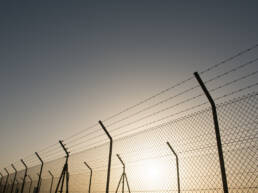
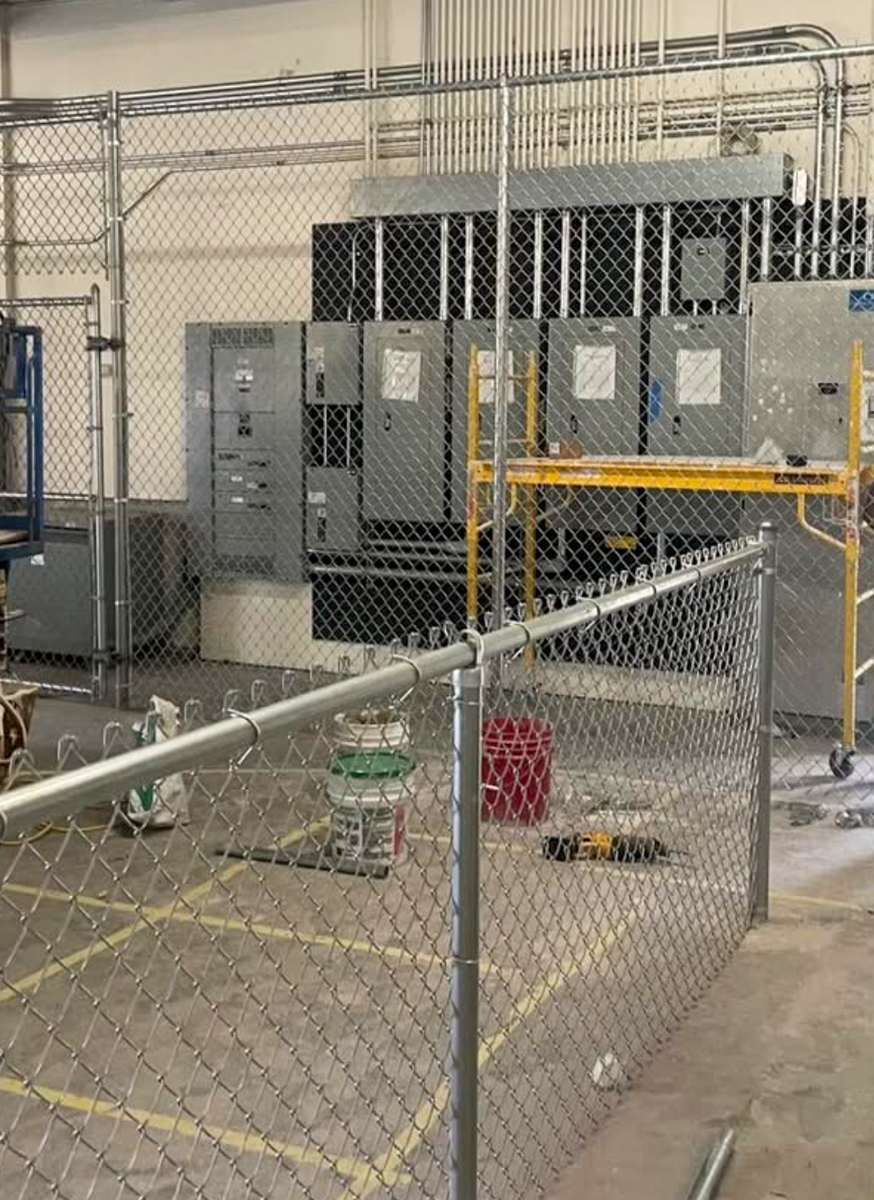
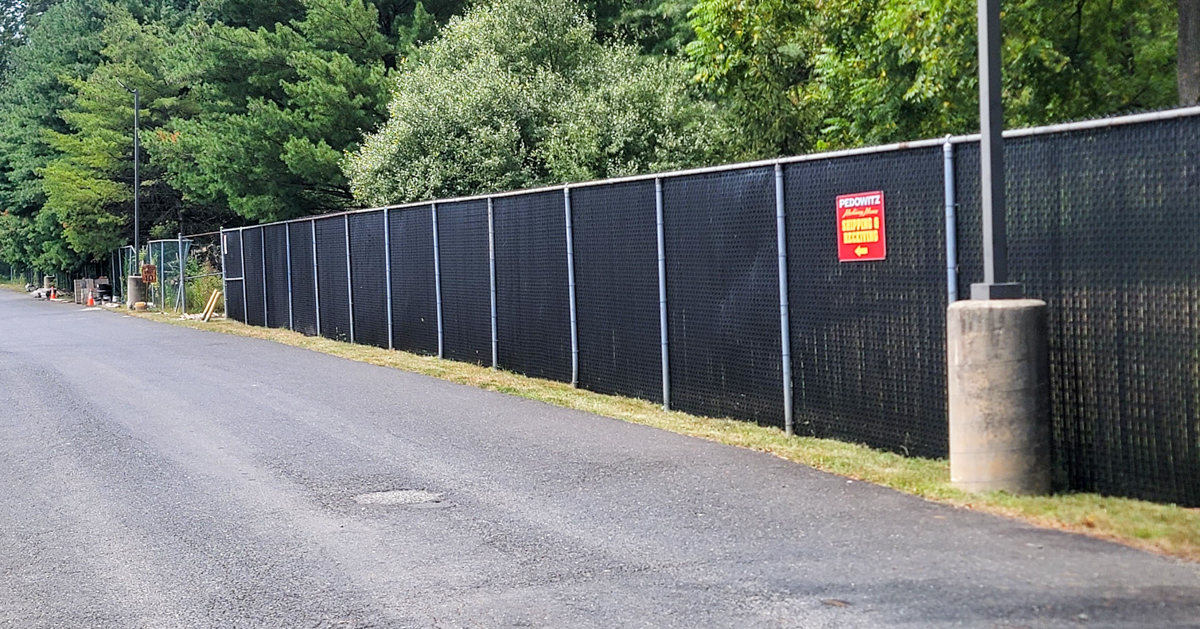
- Chain link security perimeters — heavier-gauge fabric and taller heights than a standard commercial fence line, the workhorse for industrial and storage properties.
- Barbed wire toppers — single-strand or angle-arm configurations added along the top of chain link for an added physical deterrent.
- Ornamental steel and aluminum — a finished, professional look for office parks, dealerships, and properties where appearance matters as much as security.
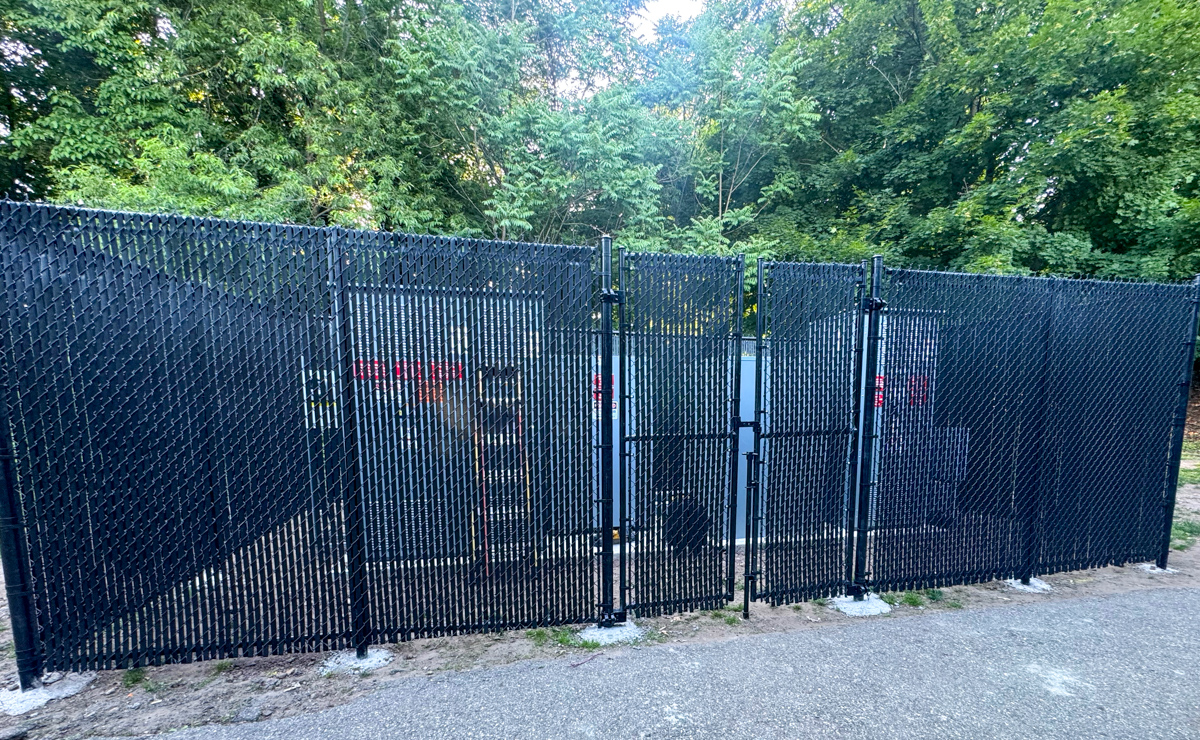
- Access-controlled gates — swing and slide gates with locking hardware sized to real daily traffic.
- Automated gates — powered openers with keypad, card, or remote access for vehicle entry points.
Your estimator will recommend the right combination based on what’s being protected and how the site operates.


Why It Matters
A security fence that’s inconvenient gets propped open, and a propped-open security gate isn’t security at all. AMR designs access points around how employees, deliveries, and visitors actually move through a property, not just where a gate looks like it should go.
The goal is a perimeter that’s easy to use correctly and hard to get around. That balance looks different on a contractor yard with trucks leaving at dawn than it does on an office campus with visitors arriving all day, which is why layout gets as much attention as material choice.
Deterrence Starts With Visibility
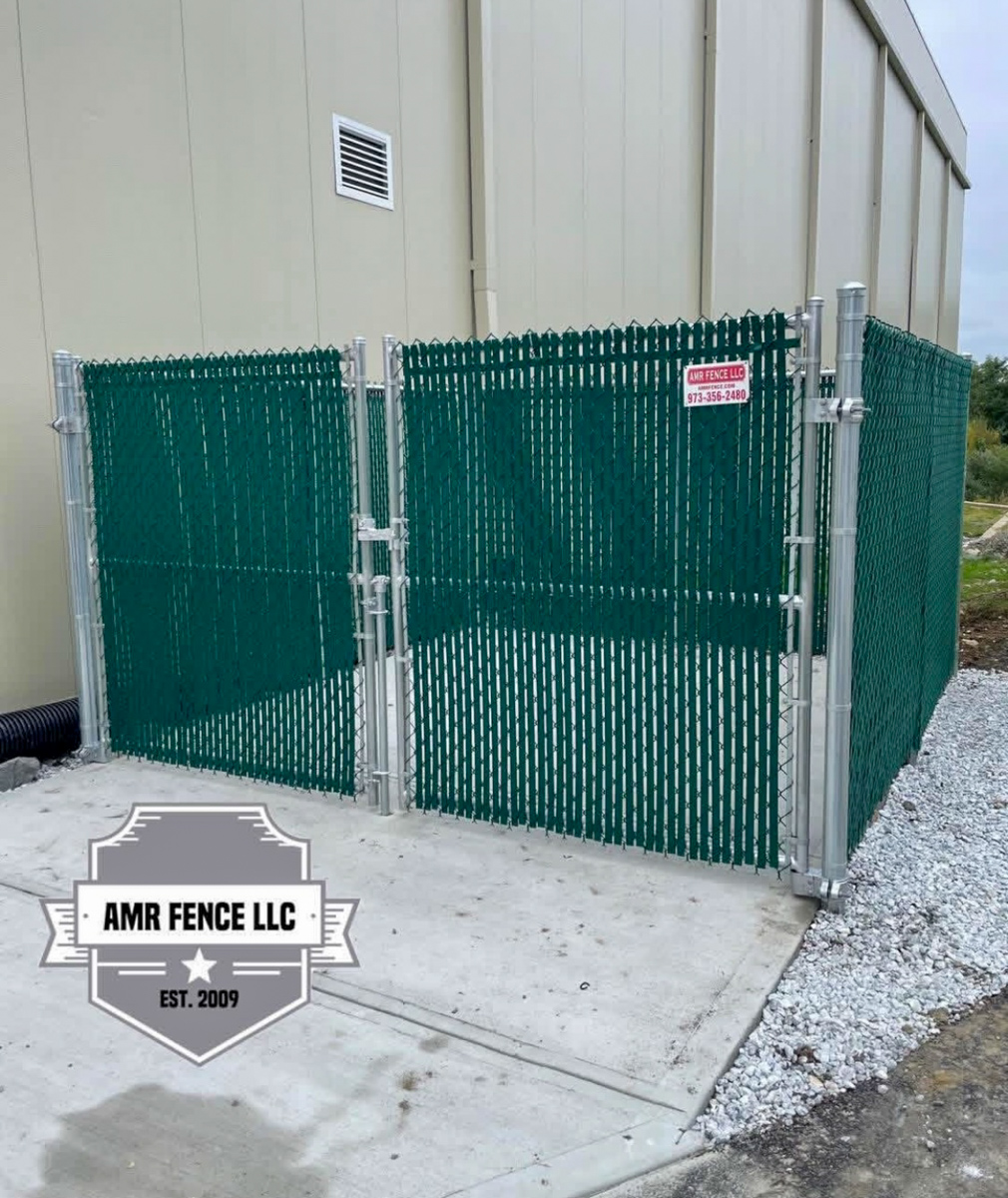
A good security fence does two jobs: it physically slows someone down, and it makes the property look like a poor target to begin with. Open-sightline materials like chain link and ornamental steel let staff, cameras, and passing patrols see the fence line clearly, so there’s nowhere to work unnoticed. Layout matters too — corners tucked behind buildings, dumpster enclosures, and overgrown edges are where perimeters tend to fail, and AMR addresses them during planning rather than after an incident.
Planning Access Points That Actually Get Used
Gates are where most security fencing succeeds or fails. A few things AMR looks at on every commercial walk-through:
- Traffic type and volume — a delivery gate that cycles thirty times a day needs different hardware than an emergency exit that opens twice a year.
- Vehicle and pedestrian separation — keeping foot traffic out of truck lanes improves both safety and control.
- Shift changes and after-hours access — who needs to get in when the front office is closed, and how they’ll do it.
- Emergency egress and fire access — local fire officials often have requirements for gate placement and release hardware.
- Future expansion — leaving room in the layout for an added gate or automated opener later, instead of tearing out fence to make space.
Because AMR fabricates gate components in-house, odd widths, heavy-duty frames, and custom latch setups can be built to fit the opening instead of forcing the opening to fit a stock gate.
Where Commercial Security Fencing Works Best
AMR installs security fencing for a wide range of commercial and industrial properties, including:
- Warehouses and distribution facilities
- Contractor yards and equipment storage lots
- Self-storage facilities
- Manufacturing and industrial sites
- Utility and infrastructure sites
- Auto dealerships and vehicle lots
- Office parks and commercial campuses
Each property type comes with its own mix of priorities. Some are about protecting inventory and equipment overnight, others about controlling vehicle traffic during business hours, and the fence layout reflects whichever matters most. Properties that share a boundary with residential neighborhoods may also need to balance security with local appearance and height rules.
Common Security Fencing Mistakes
Most perimeter failures trace back to a handful of avoidable decisions made during planning:
- Undersized gate hardware — hinges and latches rated for occasional use wear out fast on a gate that cycles all day, and a gate that won’t latch is an open gate.
- Gaps at the bottom of the fence line — uneven grade leaves space under the fabric that’s easy to crawl through. AMR follows the ground so the bottom stays tight.
- Climbable features next to the fence — pallets, dumpsters, and parked equipment against the fence line give someone an easy step over.
- Too many gates, or too few — extra gates add weak points, while too few lead to propped-open gates and cut fabric where people want a shortcut.
Planning these out on the walk-through costs far less than fixing them after the fence is up.
From First Call to Finished Perimeter
Commercial jobs start with a walk-through, not a phone estimate — access points, blind spots, and how the property actually gets used day to day all factor into the layout before a number gets attached to it. Here’s how a typical project runs:
- Site walk-through. An AMR estimator walks the full perimeter, marks gate locations, and talks through how people and vehicles move through the property.
- Layout and specification. Fence type, height, gauge, gate sizes, and hardware are specified around your security goals and local requirements.
- Written estimate and timeline. You get a clear scope with a realistic commercial timeline, not a residential lead time applied to a job that doesn’t fit it.
- Gate fabrication. Custom gate components are built in AMR’s own shop while the site is prepped.
- Installation. The in-house crew sets posts, hangs fabric or panels, and installs gate hardware and access configuration as part of the same build.
- Final walk-through. Every gate is tested for swing, latch, and lock function before the job is signed off.
What Affects the Cost of Security Fencing
Every commercial security project is priced to the site, so there’s no one-size number. The biggest factors are:
- Total perimeter length and fence height
- Material and gauge — heavier fabric and ornamental steel cost more than standard chain link
- Number, size, and type of gates
- Automation and access control hardware
- Barbed wire or other top-of-fence deterrents
- Site conditions — grade changes, rock, pavement cutting, or removal of an existing fence
Your estimator will walk through where the budget goes and where there’s room to adjust without weakening the perimeter.
Keeping a Security Perimeter in Working Order
A security fence only works as long as every part of it does. A quick walk of the fence line every few months catches most problems early: loose fabric ties, leaning posts, damaged sections from vehicle contact, and gate hardware that’s starting to drag or stick. Automated gates benefit from periodic checks of the opener, sensors, and safety features. If something gets damaged, AMR can repair or replace individual sections and gate components rather than redoing the whole perimeter.
Why AMR Fence for Commercial Security
Every job is built by AMR’s own crew, trained in-house, from the first post to the final gate adjustment. That keeps quality and accountability in one place — the people who planned the layout are the people who installed it. The company is licensed, bonded, and insured in New Jersey (NJHIC #13VH10878100).
FAQs
Security fencing is designed specifically around access control and deterrence — gate placement, locking hardware, and layout matter more than on a standard perimeter fence.
Yes — see our driveway gate automation page for automated access options.
Yes, AMR installs commercial and industrial security fencing across Morris, Hunterdon, Somerset, and Warren County.
In many cases, yes. Barbed wire toppers, upgraded gate hardware, or an automated opener can often be added to an existing fence that’s still structurally sound. Your estimator will check the condition of the posts and fabric first.
It depends on what’s being protected and what your township’s zoning allows. AMR confirms allowable heights for your specific property as part of the on-site estimate.
No. Gate placement and release hardware are planned around local fire and emergency access requirements, so the perimeter stays secure without trapping anyone inside or keeping responders out.