
Chain Link Fence Installation
Chain link is AMR’s most-installed fence type on the commercial side, and it’s a common choice for residential properties too. It’s affordable, durable, and does the job without asking for much upkeep. Whether you’re securing a business property or fencing in a backyard, AMR builds it the same way — right, and built to last. It’s rarely the flashiest option a homeowner or business owner considers, but it’s consistently one of the most functional.
What AMR Builds
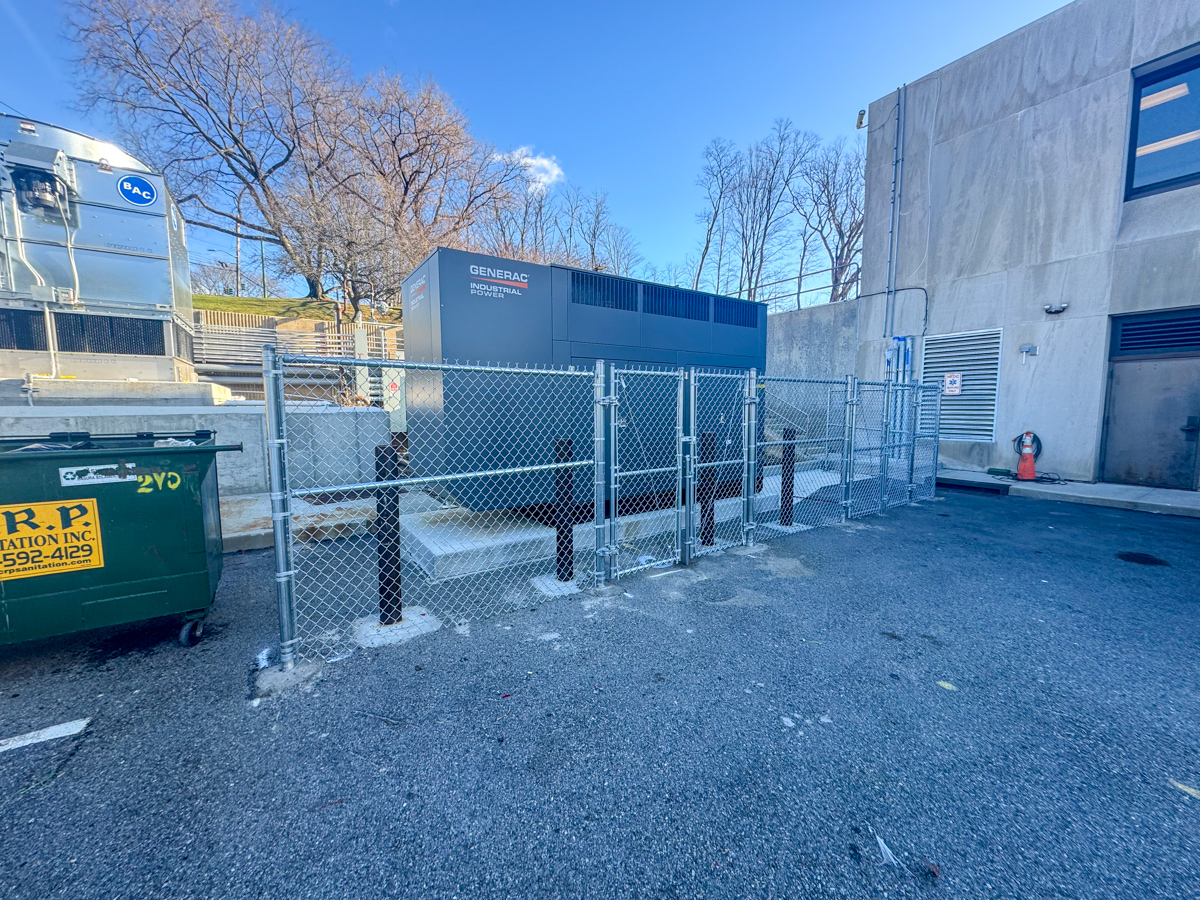
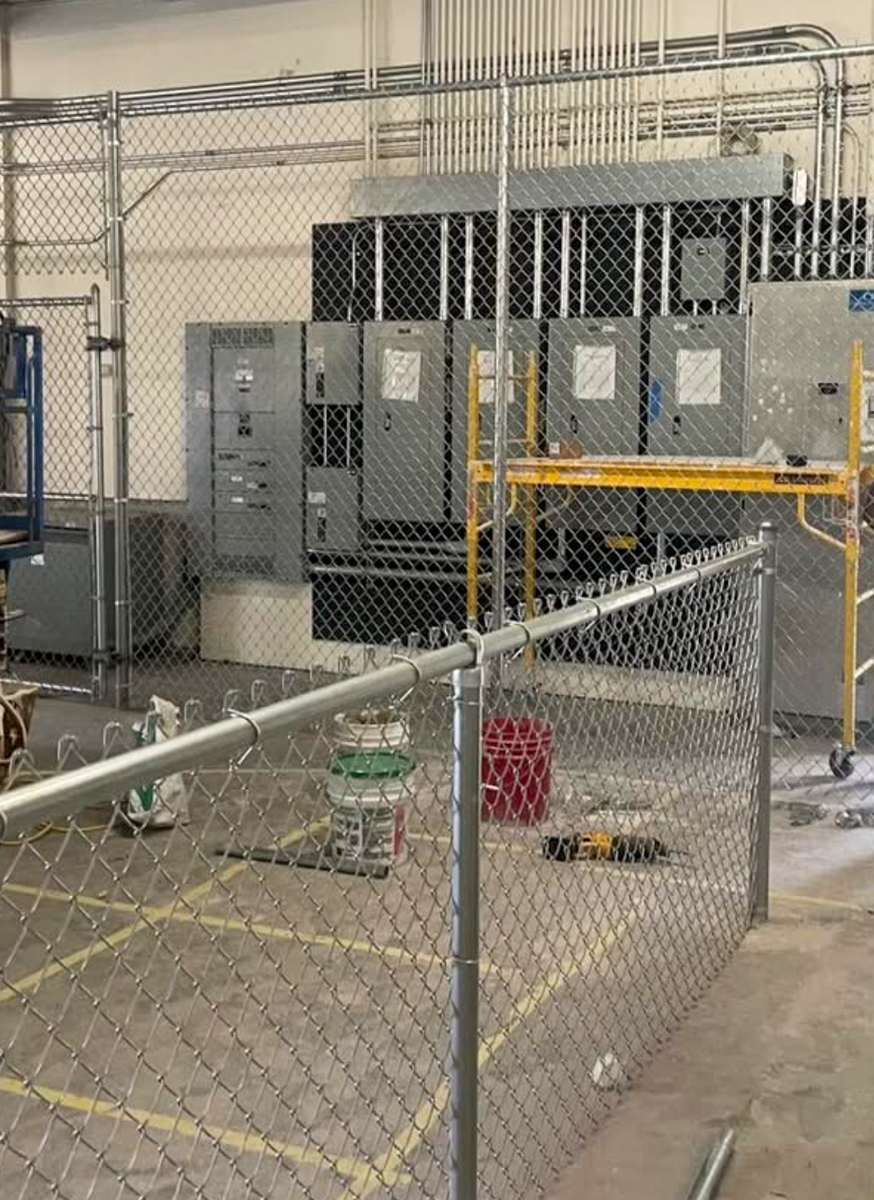
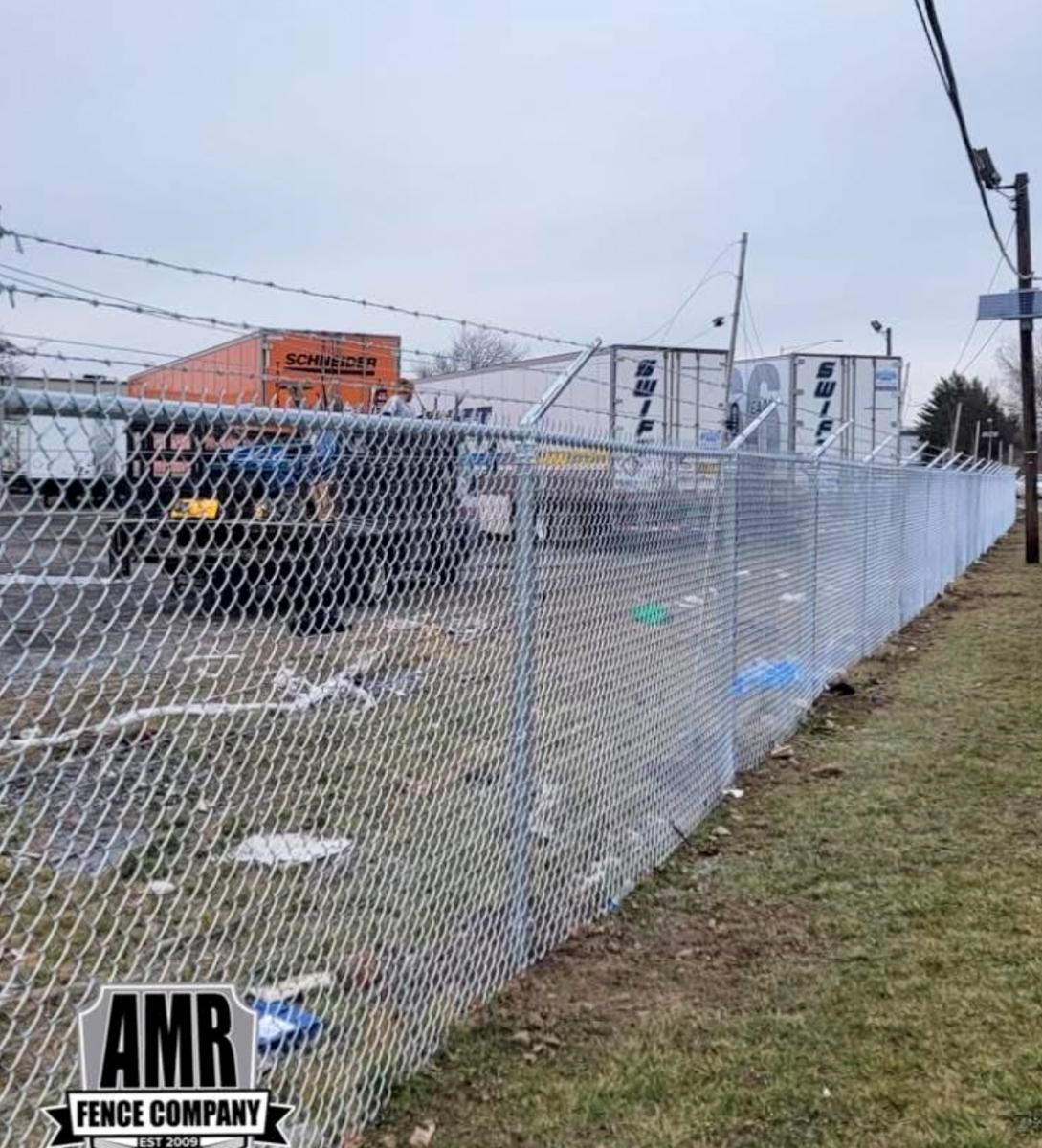
For businesses, chain link is typically about security and clear property boundaries — around a warehouse, a lot, or a job site. AMR installs commercial-grade chain link with attention to gate placement and access points, since a security fence that’s inconvenient to use tends to get propped open, which defeats the point.
For homeowners, chain link is often the practical choice: keeping a dog contained, marking a property line, fencing a large yard without the material cost of wood or vinyl. AMR builds every job on-site, fitting the layout to your actual property rather than a standard configuration.
Gauge, Mesh Size, and Height Options
Chain link isn’t one fixed spec — a few things change depending on what the fence needs to do:
- Wire gauge. Heavier-gauge wire holds up better under commercial use and higher-security applications; standard gauge is typically sufficient for residential containment.
- Mesh size. Standard mesh works for most containment needs, while a tighter mesh adds an extra layer of security or keeps smaller pets from squeezing through.
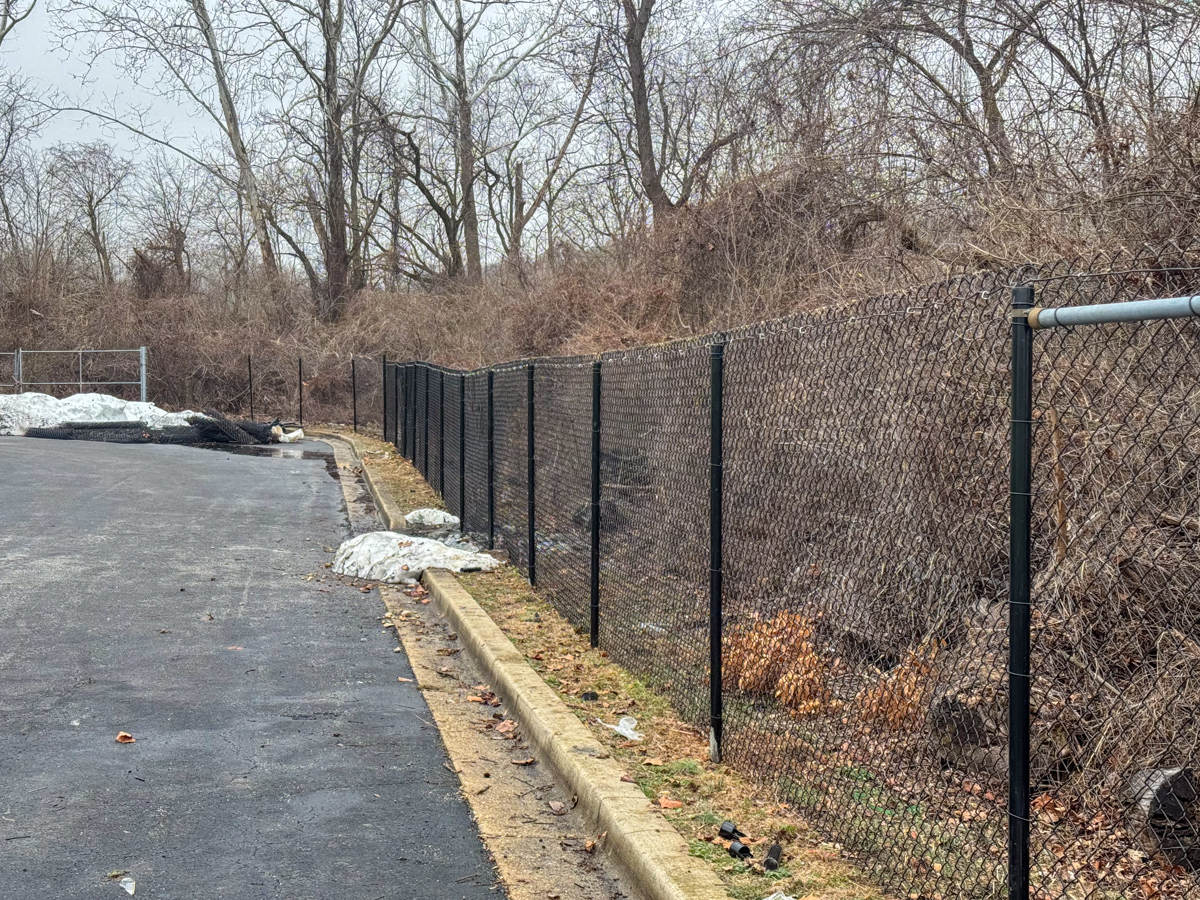
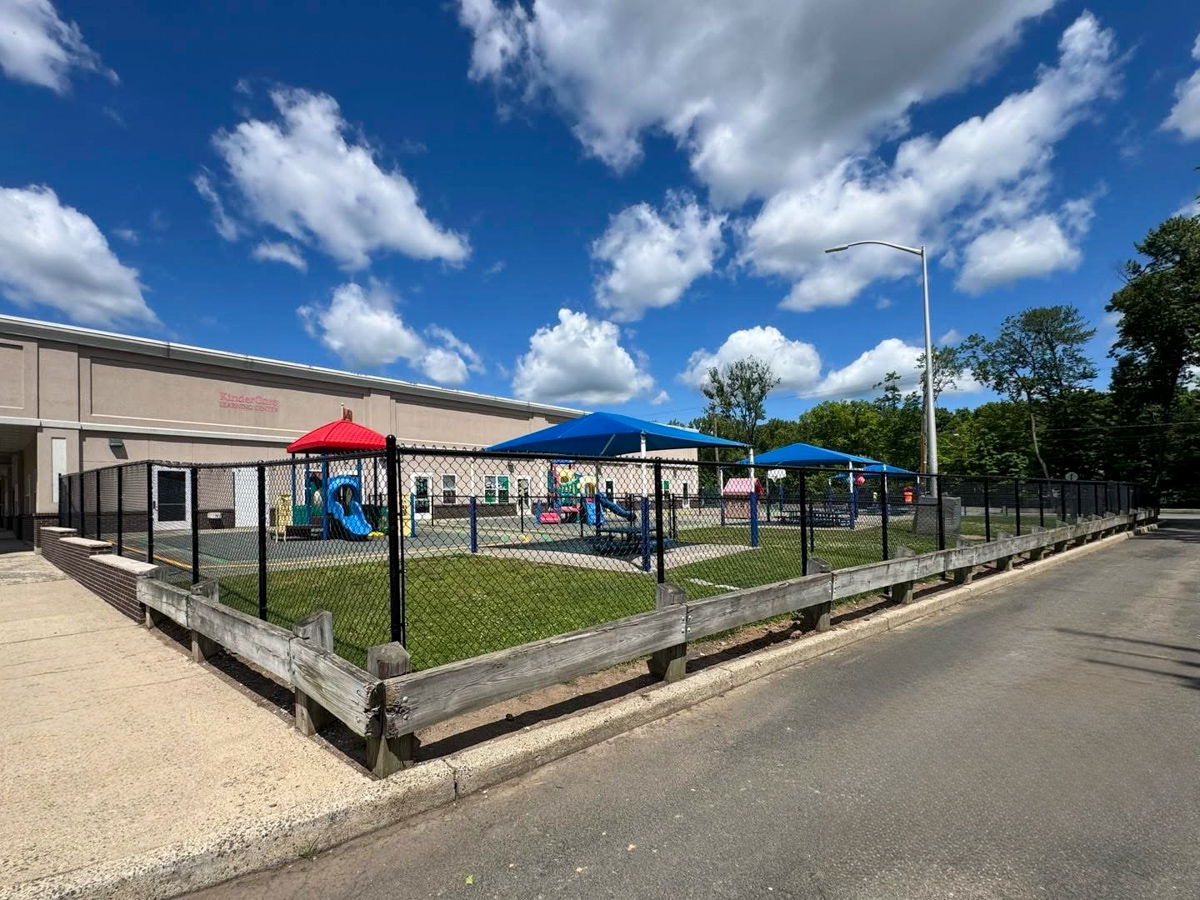
- Coating. Galvanized chain link resists corrosion for standard applications; vinyl-coated chain link adds a layer of weather resistance and a more finished appearance, often at a modest cost increase.
- Height. Residential fencing typically runs lower for containment and boundary marking, while commercial and security applications often call for taller sections.








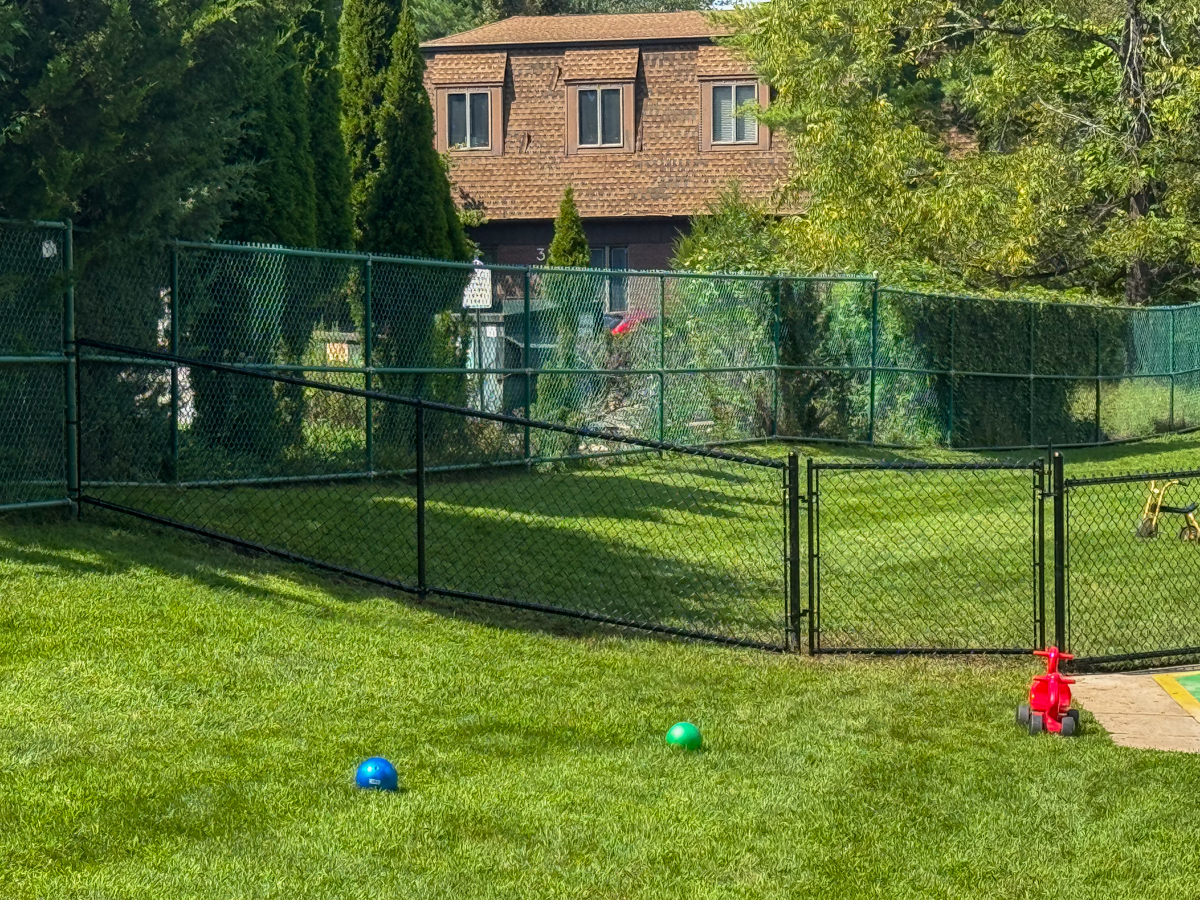
Gate Options
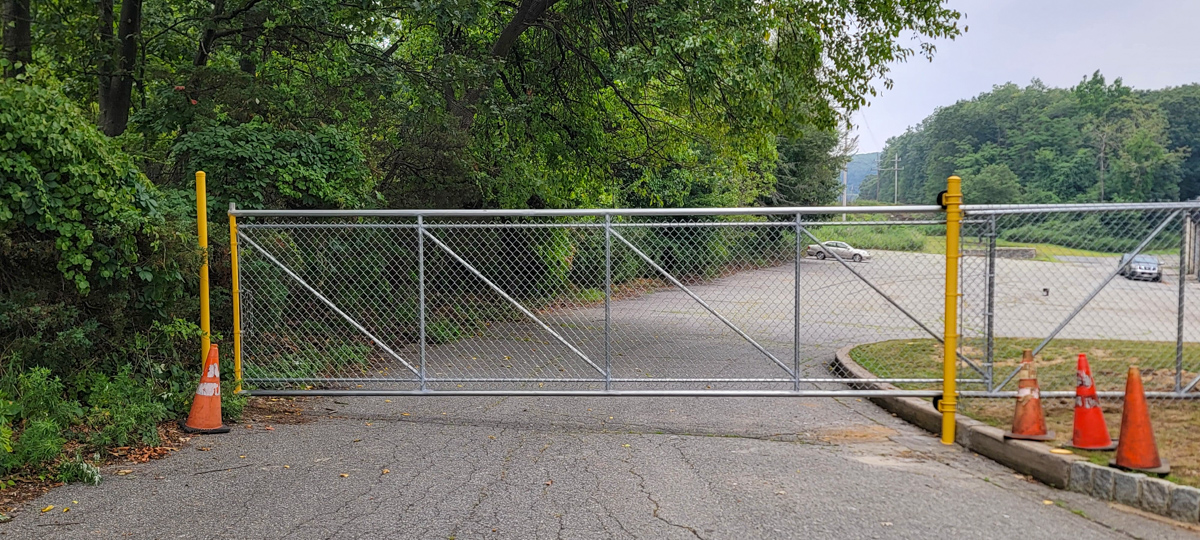
Gates are where a chain link installation either works well day to day or becomes a daily annoyance. AMR installs three main types of gates::
- Walk gates for regular pedestrian access points.
- Drive gates, single or double, sized to the vehicles that actually need to use them.
- Commercial access gates, which can include automated or card-access hardware depending on the property’s security needs.
A gate placed in the wrong spot, or sized too small for regular use, is one of the most common reasons a chain link fence ends up with an informal gap cut somewhere else on the property. AMR plans gate placement around how the property is actually used, not just where it’s structurally easiest.
Why It Matters
A chain link fence needs to do its job without drawing attention to itself — hold a boundary, keep something contained, control access. AMR focuses on getting the fundamentals right: proper post depth, tension, and gate hardware that won’t fail under regular use.
Commercial vs. Residential Chain Link: What Changes
The core installation principles are the same either way, but the priorities shift depending on the property:
- Commercial properties typically prioritize security, access control, and durability under heavier daily use — loading docks, delivery traffic, and frequent gate cycling all put more stress on hardware than a residential yard does.
- Residential properties typically prioritize cost-effectiveness and containment — keeping pets or kids in a yard, or marking a property line clearly without the expense of a solid privacy fence.
AMR’s estimator adjusts the specification — gauge, gate hardware, mesh size — based on which of these actually applies to your property, rather than installing the same standard setup everywhere.
Common Chain Link Installation Mistakes
Chain link looks simple, which is part of why it’s sometimes installed poorly. A few issues AMR’s process is built to avoid:
- Under-tensioned fabric. Chain link that isn’t pulled tight during installation sags over time and loses both its appearance and containment value.
- Insufficient post spacing or depth. Posts spaced too far apart, or not set deep enough, let the fence line flex and eventually lean.
- Gate hardware sized for light use installed on high-traffic gates. Commercial gates that cycle dozens of times a day need heavier-duty hinges and latches than a standard residential gate.
- Ignoring site grading. Like any fence, chain link needs to follow the property’s actual grade rather than being forced into a straight, level run that leaves gaps at the bottom.
Our Process
- Estimate request. Tell AMR whether this is a residential or commercial job and what you need the fence to do.
- On-site estimate. AMR measures the property and confirms gate placement and access needs.
- Contract and scheduling. Once approved, you’re on the schedule — typically two to three weeks out for standard jobs; larger commercial projects may run longer.
- Installation. The same in-house crew handles residential and commercial chain link work, start to finish.
What Affects Your Chain Link Fence Cost
- Total linear footage. More fence line means more material and labor, on both residential and commercial jobs.
- Wire gauge and coating. Heavier-gauge or vinyl-coated chain link costs more per foot than standard galvanized mesh.
- Height. Taller sections, common on commercial and security-focused jobs, use more material.
- Gates. Each gate adds hardware cost, and automated or commercial-grade gates add further to that.
- Privacy slats. Adding slats after the fact, versus during the original installation, can affect labor cost.
Your estimator confirms exactly which of these apply to your property and gives you a firm number after the on-site visit.
Privacy Slats and Chain Link
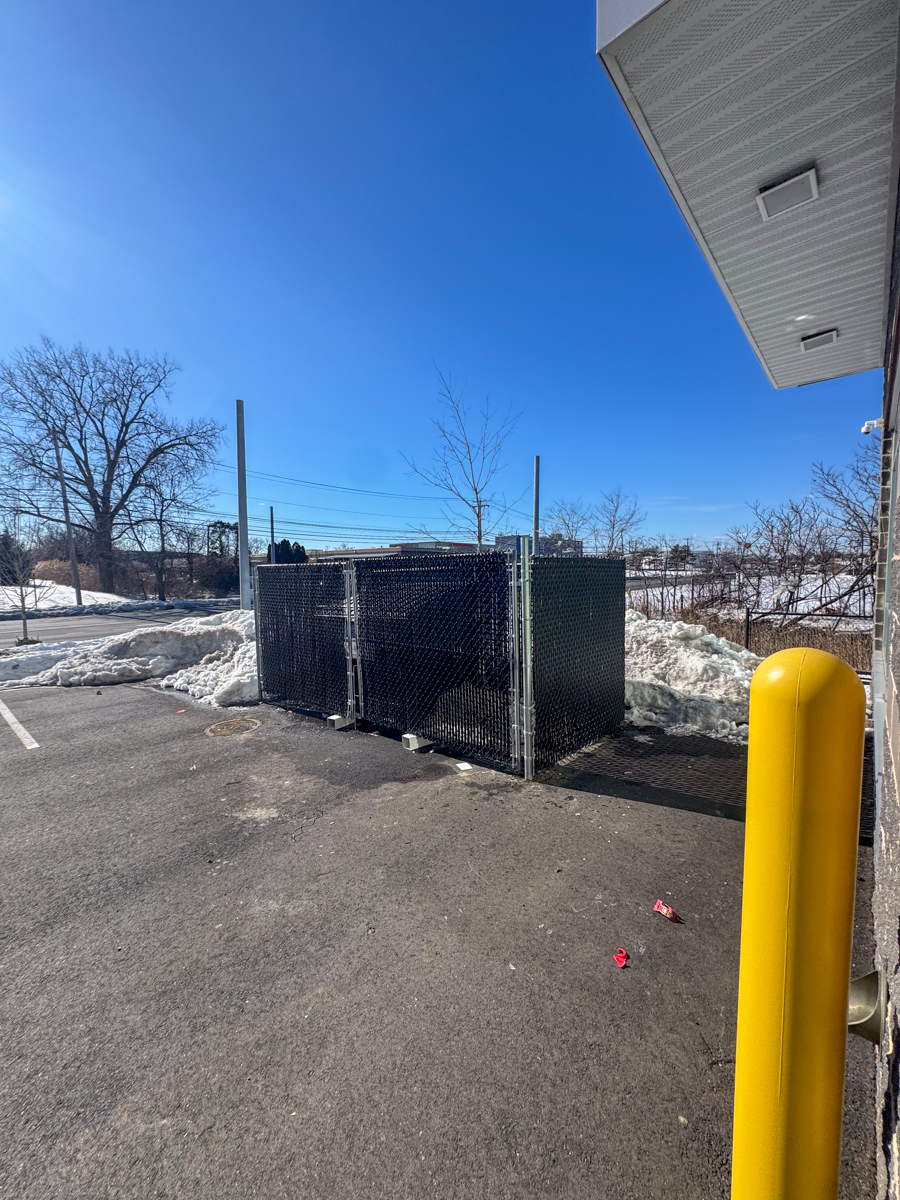
Chain link is an open-sightline fence by default, but privacy slats — inserted into the mesh — can close that up without switching materials entirely. This is a common addition for both commercial properties that want to screen a storage or equipment area, and homeowners who want partial privacy without the cost of a full wood or vinyl fence. Slats come in a range of colors and coverage levels, from partial screening to close to full privacy. Ask your estimator during your on-site visit what fits your specific property and budget.
Maintaining a Chain Link Fence
Chain link is one of the lower-maintenance fence types AMR installs, but a periodic check keeps it functioning well:
- Check tension periodically. Fabric can loosen slightly over years of use; re-tensioning keeps the fence looking and performing as intended.
- Inspect gate hardware regularly on high-traffic gates. Hinges and latches on frequently used commercial gates wear faster than the rest of the fence.
- Watch for rust at cut ends or damaged coating. Catching a small area of exposed metal early prevents it from spreading.
- Clear vegetation growth along the fence line. Vines and overgrowth can distort the mesh and hide developing damage.
Why AMR Fence for Chain Link Fencing
AMR never uses subcontractors, which matters on commercial jobs where corner-cutting is common in this industry. The same in-house crew handles every chain link installation, residential or commercial, which means consistent quality regardless of project size. AMR also handles security gate installation as part of commercial chain link work — see our commercial security fencing page for more.
Because gate hardware and access control are planned as part of the same project rather than bolted on afterward, commercial clients get a fence and access system designed to work together from the start. Residential clients get that same planning-first approach applied to a smaller scale, whether that’s a single walk gate or a full backyard perimeter.
FAQs
Yes — it’s one of the most common commercial fencing choices for its combination of cost, durability, and security. AMR can also add security gates and access controls as part of the installation.
Absolutely. It’s a practical, affordable option for containment or boundary marking, especially on larger properties.
Yes. Slats come in several colors and coverage levels, and your estimator can help you pick what fits your property and budget.
Galvanized chain link is the standard, corrosion-resistant option. Vinyl-coated adds a colored coating over the galvanized wire for a more finished look and slightly added weather resistance, typically at a modest cost increase.
Yes, when specified correctly. AMR sizes gate hardware to actual expected use, so a gate that cycles dozens of times a day gets heavier-duty hinges and latches than a standard low-traffic gate.
Residential jobs are often completed in a day or two. Commercial projects vary more depending on total perimeter length and gate complexity — your estimator will give you a specific timeline during scheduling.