Ornamental Iron Fence Installation
An ornamental iron fence adds a formal, finished look that other materials don’t quite reach — it’s a common choice for front-yard fencing, entryways, and properties where appearance matters as much as function. AMR installs ornamental and wrought iron fencing across Morris, Hunterdon, Somerset, and Warren County. From a short run framing a front walk to a full estate perimeter with a matching driveway gate, the fence is laid out to suit the house and the property it surrounds.
What AMR Builds
Ornamental iron fencing is built to be durable and low-maintenance while giving a property a more decorative, defined edge than aluminum or wood typically provides. AMR’s own crew lays out every fence on-site, fitting it to your property line and planning around the grade before anything is ordered.
Styles and Design Options
- Spear and finial tops — the classic ornamental look, with decorative points or caps on each picket.
- Flat-top designs — a cleaner, more modern line that suits contemporary homes and commercial frontage.
- Decorative accents — rings, scrolls, and other details that add character along the rails or near gates.
- Picket spacing options — tighter spacing where pets or small children need to be contained.
- Matching gates — walk gates and driveway gates built to carry the same design as the fence.
Your estimator will walk through style options on-site and help you choose a design that fits the architecture of the home.



Why It Matters
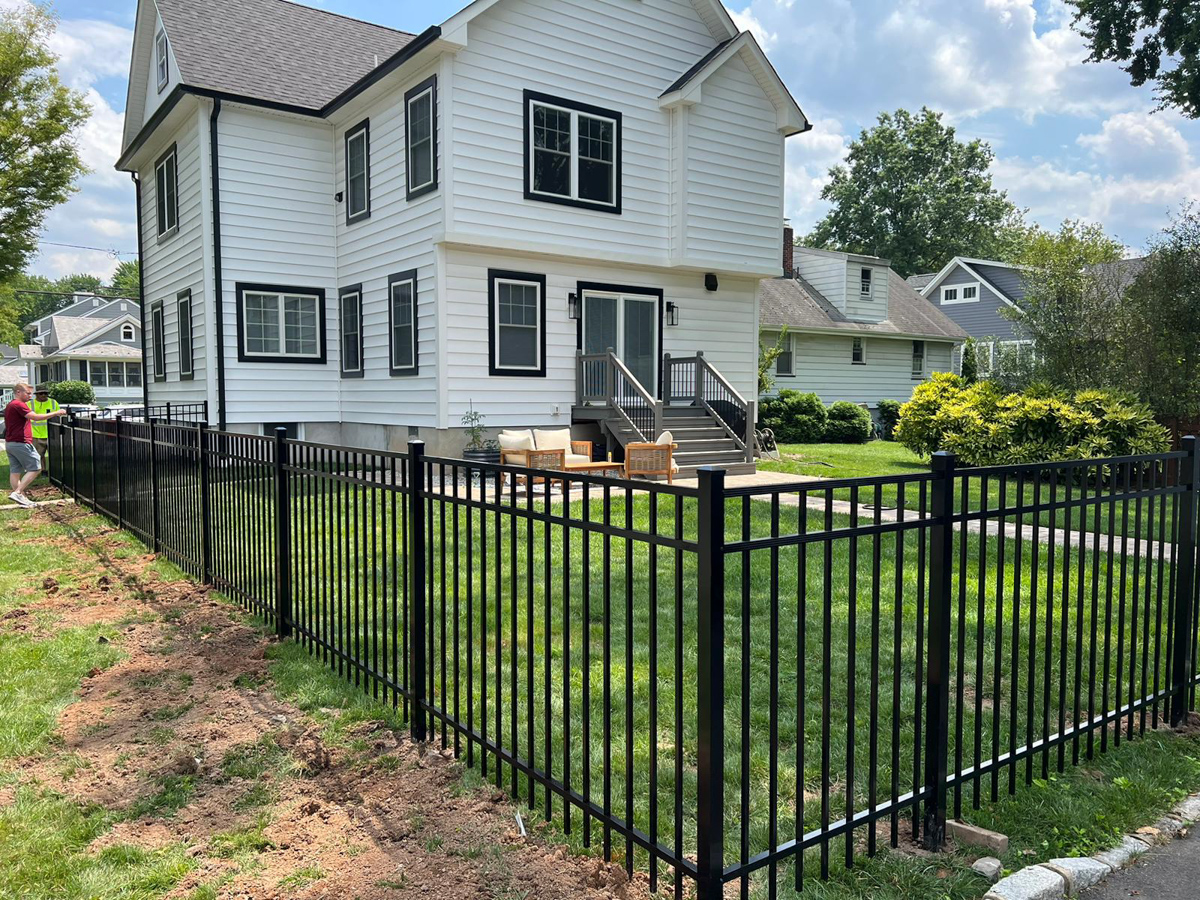
Iron fencing is often the choice for a property’s most visible edge — a front yard, a driveway entrance, a pool enclosure that needs to look as good as it functions. Getting the layout and finish right matters more here than on a fence tucked in a backyard. A crooked line, an uneven top, or a gate that sits out of plumb is the first thing visitors and neighbors notice, and it’s the last thing anyone wants on the front of a house.
Where Ornamental Iron Works Best
Ornamental iron is a strong fit for:
- Front yards and street-facing property lines
- Driveway entrances and estate frontage
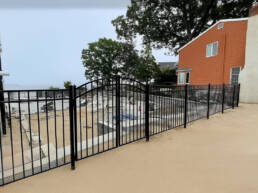
- Pool enclosures that need to look finished
- Garden borders and courtyard enclosures
- Historic homes and traditional architecture
- Commercial frontage, office buildings, and churches
Because ornamental iron keeps sightlines open, it defines a boundary without hiding the house or the landscaping behind it.
Containing Pets and Children
Ornamental iron isn’t only decorative. With the right picket spacing and a bottom rail set close to the ground, it keeps dogs and young children contained without closing off the view of the yard. For smaller dogs, tighter spacing near the bottom of the fence can stop them from slipping through. Gates can be fitted with self-closing and self-latching hardware so they don’t get left open by accident.
Ornamental Iron vs. Other Materials
Homeowners weighing ornamental iron are usually comparing it against a couple of alternatives:
- Ornamental iron vs. aluminum — aluminum offers a similar open, decorative look at a lighter weight and generally lower cost. Iron is heavier, more rigid, and carries a more substantial, traditional presence, which is why it’s often chosen for a home’s most prominent edge.
- Ornamental iron vs. wood — wood offers privacy that iron doesn’t, but it needs regular staining or sealing and will eventually weather. Iron is built for appearance and boundary definition rather than privacy.
Many properties use a combination: ornamental iron across the front, with a privacy fence in the backyard where screening matters more.
Ornamental Iron for Commercial Properties
Ornamental iron isn’t just a residential product. Office buildings, churches, schools, and retail frontage often use it to create a secure, professional-looking perimeter that doesn’t feel like a barrier. It controls where people can walk and park while keeping the building visible and welcoming from the street. For properties that need tighter access control, ornamental iron can be paired with commercial security fencing along the less visible sides of the property.
Height, Setbacks, and Local Rules
Front-yard fencing is often where township rules are strictest. Many municipalities limit fence height along the street or near driveways, where sightlines for traffic matter, and some neighborhoods have homeowners association guidelines on style and color. AMR confirms what applies to your property during the on-site estimate so the fence is designed within those limits from the start, rather than adjusted after the fact. If a permit is required, your estimator will let you know what to expect as part of scheduling.
From Estimate to Finished Fence
Iron fencing tends to go in visible spots — a front yard, an entrance — so the on-site estimate spends extra time confirming layout and finish before anything’s ordered. AMR fabricates gate components for iron fencing the same way it does for every other material, in its own shop, which keeps custom configurations from being held up by a supplier.
Our Process
- On-site estimate. An AMR estimator walks the property, confirms the layout, and reviews style, height, and finish options with you.
- Design and quote. The fence and any gates are specified, and you get a clear written quote before anything is ordered.
- Scheduling and fabrication. Gate components are built in AMR’s own shop while materials are prepared for installation.
- Installation. The in-house crew sets posts and fits every section to the property’s actual line and grade.
- Final walk-through. Gates are tested for swing and latch, and the finished fence is checked for alignment before sign-off.
Layout Comes First
Iron fencing usually sits on the most visible edge of a property, where an ill-fitting fence is hardest to miss. That’s why your estimator spends extra time on layout, grade, and gate placement before installation starts.
Handling Slopes and Grade Changes
Front yards are rarely perfectly flat. On gentle slopes, sections can follow the ground so the bottom rail stays at a consistent height above grade. On steeper changes, sections can be stepped so the top line stays level from post to post. Your estimator will recommend the approach that looks best on your property and keeps gaps under the fence to a minimum.
Matching Gates and Entryways
The gate is often the focal point of an ornamental iron fence, especially at a front walk or driveway. AMR builds walk gates and driveway gates that match the fence’s design, with hardware sized to the gate’s weight so it swings and latches cleanly for years. For driveway entrances, gates can also be planned with future automation in mind — see our driveway gate automation page if that’s something you’re considering.
What Affects the Cost of Ornamental Iron Fencing
Every ornamental iron fence is priced to the property. The main factors include:
- Total length and height of the fence
- Style and decorative detail
- Number and size of gates
- Grade changes and site conditions
- Removal of an existing fence
Your estimator will walk through the options so you can balance design choices against the budget.
Caring for Ornamental Iron
Ornamental iron needs far less upkeep than wood, but a little attention helps protect the finish. Rinse the fence occasionally to remove dirt and lawn debris, and walk the fence line once or twice a year to look for chips or scratches in the finish. Touching up small spots early keeps moisture from getting underneath. Keep sprinklers aimed away from the fence where possible, and trim back plantings that hold moisture against the pickets.
Why AMR Fence for Ornamental Iron
Every fence is installed by AMR’s own in-house crew, with custom gate components fabricated in the company’s shop. AMR is licensed, bonded, and insured in New Jersey (NJHIC #13VH10878100), and treats the most visible fence on your property with the attention to layout it deserves.
FAQs
Yes — it holds up well to weather and doesn’t require the upkeep a wood fence needs, though periodic cleaning helps maintain its finish.
Yes. See our pool fence installation page for code and safety details specific to pool enclosures.
Yes — see our fence gate installation page for custom gate options.
Yes. Depending on the grade, sections can follow the slope or be stepped to keep a level top line. Your estimator will recommend what looks best on your property.
Not on its own. Ornamental iron keeps sightlines open, so it’s best for defining a boundary. Many homeowners pair it with a privacy fence elsewhere on the property.
Yes. A common setup is ornamental iron along the front of the property with wood or another privacy fence in the backyard.